“It’s not how much we give but how much love we put into giving.”
Mother Teresa
Founder, Missionaries of Charity
“You may not have saved a lot of money in your life, but if you have saved a lot of heartaches for other folks, you are a pretty rich person.”
Seth Parker
Radio personality
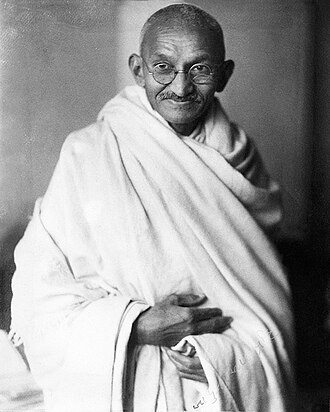
“You must be the change you wish to see in the world.”
Mahatma Gandhi
Leader of the Indian independence movement
“Sneha Karma has taken up a commendable goal of nurturing and educating girls in a location which is not served by civic amenities — in the jungles of Assam, India. I am happy to contribute and be associated with the organization.”
Srinath Unni Krishnan
Donor
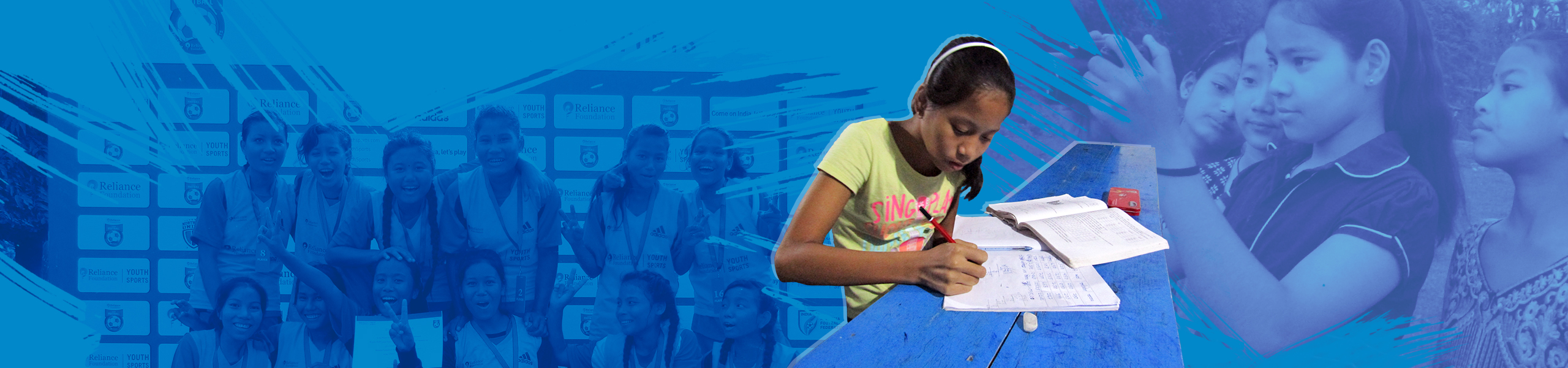
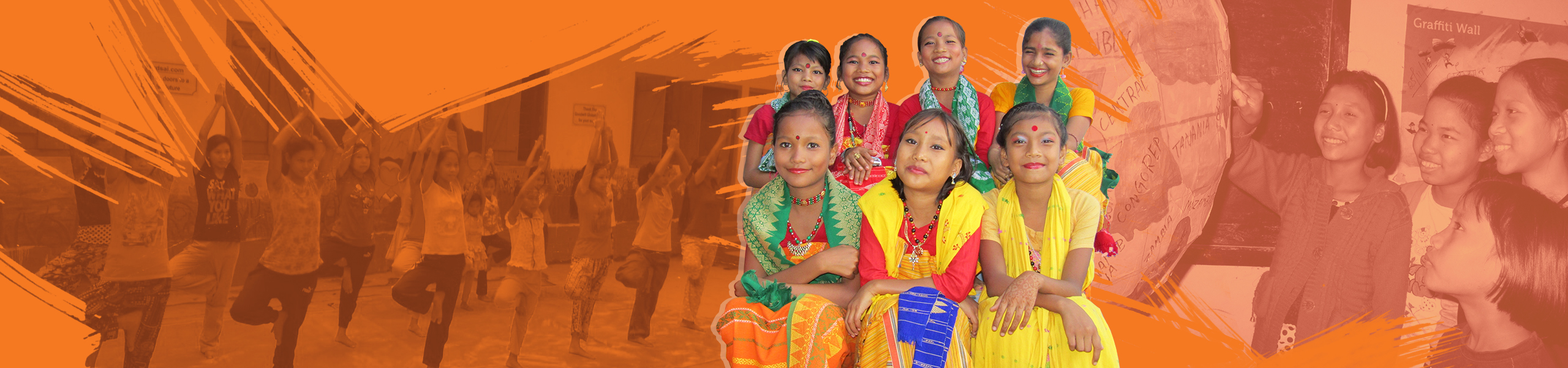
Deep inside the Garbhanga Reserve Forest, on the border of Assam and Meghalaya, lie more than fifteen small villages that the modern world has left behind. Their people live on farming, poultry and daily-wage labour, without electricity, clean water, roads or a functioning school. For the girls of these villages, the future once meant child marriage and exploitation. In 2011, our founder walked into Garbhanga with the children of Parijat Academy and left determined to change that story. Today, the Support-A-Girl program gives these girls a real education and a real chance to become independent, self-empowered women.
Where the story began
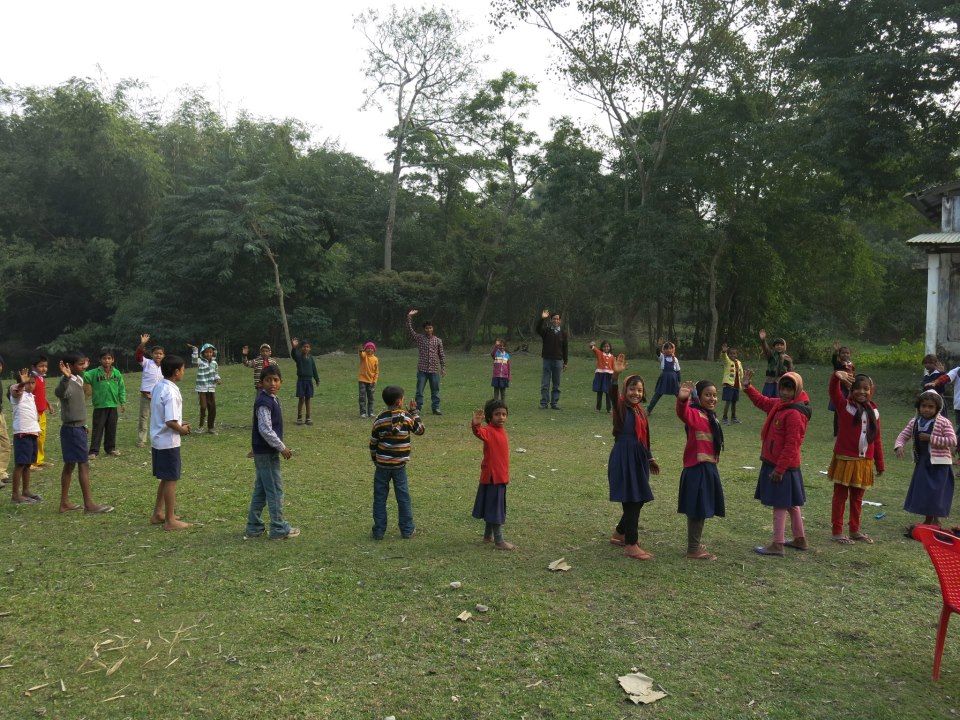
The Garbhanga Forest Villages sit inside the Garbhanga Reserve Forest, on the border of Assam and Meghalaya in north-east India — a collection of more than 15 villages home to over 1,000 people whose main occupations are farming, poultry and daily-wage labour. Though only about 20 km from the suburbs of Guwahati, they are deeply under-developed, lacking basic infrastructure such as electricity, water, sanitation, schools and healthcare. There is no road connectivity; the closest road is about 16 km away.
The village school exists in name only, without good teachers or upkeep, and most parents prefer their children to accompany them to work than to study. For the girls of Garbhanga the plight was worse still: victims of gender inequality, child marriage and exploitation for generations, with no voice of their own and no awareness of their rights. What they needed was not just education, but a platform for equal opportunity and the support to become independent and self-empowered. This is the first program site of Sneha Karma Foundation, and where the Support-A-Girl story began.
A humble beginning
Our founder first met the villagers of Garbhanga in 2011, on a field trip with the children studying at Parijat Academy. It was during that visit that the need for Sneha Karma Foundation was conceived — and the decision made that Garbhanga would be its very first program site.
The Support-A-Girl program was rolled out at Parijat Academy for the girls of the Garbhanga Forest Villages in 2012, starting with just four girls. Today the program supports 12 girls, with more joining each year, and two of the very first girls are now completing college — the equivalent of 15 years of education — before moving into our Skills Development Program.
The Garbhanga Forest Villages
The Garbhanga Forest Villages lie within the Garbhanga Reserve Forest on the border of Assam and Meghalaya, two states in the north-east of India. They are a collection of more than 15 smaller villages with a population of more than 1,000 people, whose main occupations are farming, poultry and daily-wage labour.
Although the villages are only about 20 km from the suburbs of Guwahati, they remain deeply underdeveloped. They lack basic infrastructure such as electricity, water, sanitation, schools and healthcare, and there is no road connectivity, the closest road being about 16 km away. The only school in the area is a namesake setup that lacks good teachers and upkeep, so the children attend on a whenever-they-feel-like basis.
Why Garbhanga
In life we meet strangers all the time, and over time these strangers become our best friends. Our founder met the villagers of Garbhanga on a field trip with the children of Garbhanga who study at Parijat Academy. It was during that visit, in 2011, that the need for Sneha Karma Foundation was conceived, and it was decided then that Garbhanga would be the foundation’s first program site as soon as it was established.
The Reality on the Ground
Most parents prefer their children to accompany them on their daily jobs and learn the skills of farming, poultry and other trades, so that they can earn a livelihood when they grow up. To them, formal education is a luxury they cannot afford and is not worth the investment, because learning to earn is what matters most.
For the girls of the Garbhanga Forest Villages, the plight is worse than for the boys. They have been victims of gender inequality, child marriage, exploitation and other social challenges for generations. They have no voice of their own and are unaware of their rights. These girls did not just need support with education; they needed a platform through which they could receive equal opportunity and the support to become independent and self-empowered.
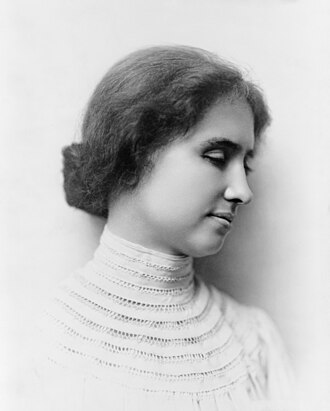
“The simplest way to be happy is to do good.”
Helen Keller
Author and activist
A humble beginning
Our founder first met the villagers of Garbhanga in 2011, on a field trip with the children studying at Parijat Academy. It was during that visit that the need for Sneha Karma Foundation was conceived — and the decision made that Garbhanga would be its very first program site.
The Support-A-Girl program was rolled out at Parijat Academy for the girls of the Garbhanga Forest Villages in 2012, starting with just four girls. Today the program supports 12 girls, with more joining each year, and two of the very first girls are now completing college — the equivalent of 15 years of education — before moving into our Skills Development Program.
Looking Ahead
We are reaching out to corporates and small business owners in and around Guwahati to explore trainee and internship programs for the girls graduating from college, so that they get an equal opportunity at a full-time job and can become independent and self-empowered.
Sneha Karma Foundation will also work with Parijat Academy and local small business owners to sell handmade products by local artisans through our Social Enterprise, planned to go live in 2019-2020. Some girls in the program may develop skills and decide to start their own businesses, and our Social Enterprise will ensure that the products these girls make have a marketplace to sell in, so that they can earn their livelihood.
Donate (one-time or monthly), volunteer your skills, start a fundraiser, or partner with us as a foundation or company. Every gift reaches the programmes because our overheads are covered by a founder member.
Yes — a US 501(c)(3) (EIN 47-3774368), also registered in India. Donations are tax-deductible in the US (and 80G in India).
In India, including the Northeast and the Garbhanga forest villages of Assam, with volunteers and donors worldwide.