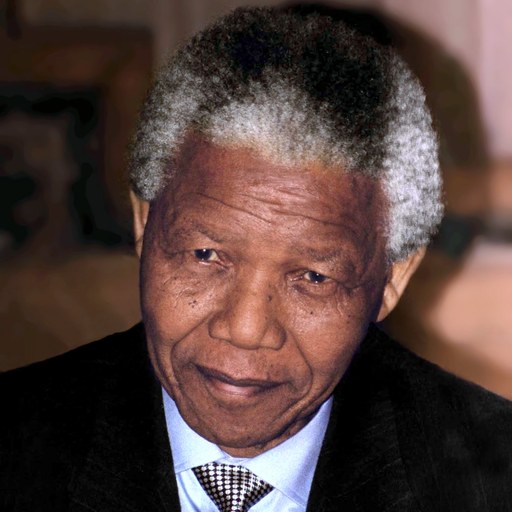
“Our human compassion binds us the one to the other — in work and in love.”
Nelson Mandela
Former President of South Africa
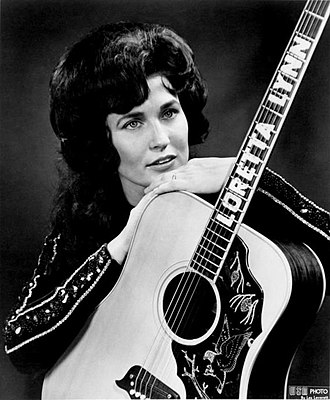
“We can’t help everyone, but everyone can help someone.”
Loretta Scott
Philanthropist
“A warm smile is the universal language of kindness.”
William Arthur Ward
Writer
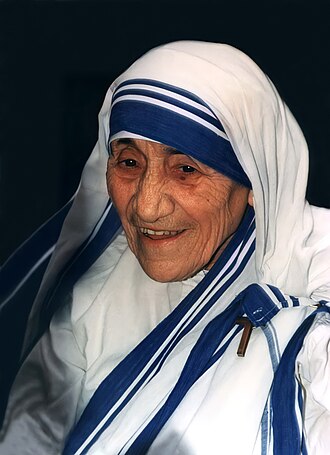
“We ourselves feel that what we are doing is just a drop in the ocean. But the ocean would be less because of that missing drop.”
Mother Teresa
Founder, Missionaries of Charity
Program
Why It Matters
When money is short, the girl is withdrawn first — poverty and gender bias end educations before ability is ever tested. Keeping her in school is the most reliable way to change a girl's future and, with it, her whole family's.
What the Program Provides
Every contribution gives a girl more than a handout — it gives her a foundation to build on:
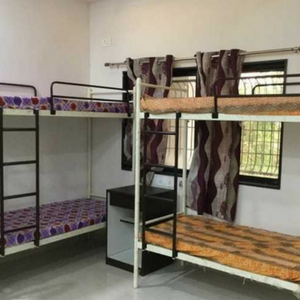
Safe accommodation
a secure place to live and study, so that distance or hardship never forces her out of school.
Quality education
schooling, tuition and learning materials that carry her through every grade.
Good healthcare
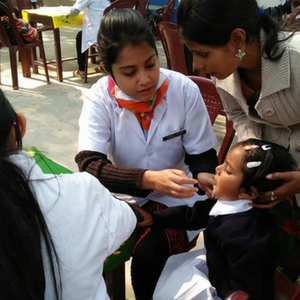
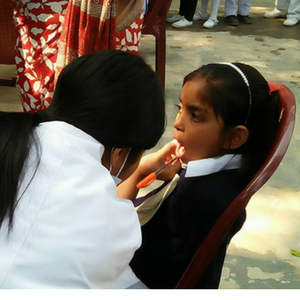
regular care that keeps her healthy enough to learn and grow.
A progressive environment
encouragement to dream beyond the roles she was told were hers.
Extra-curricular activities
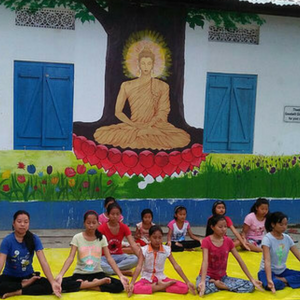
sport, yoga and creative time that build confidence, friendship and joy.
Vocational training
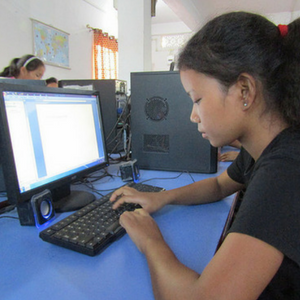
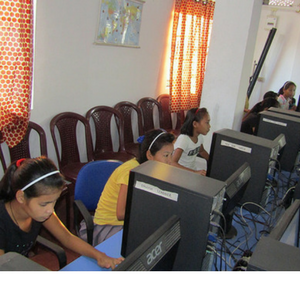
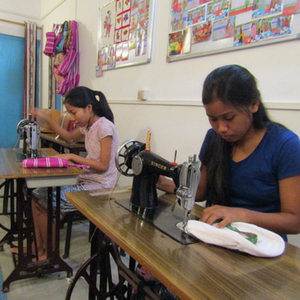
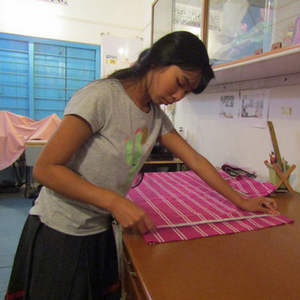
practical skills that open the door to a livelihood after graduation.
Support-A-Girl is our flagship program, and it began in the forest villages of Garbhanga. What it costs to sponsor one girl depends on her age and the location of her program site — for example, around Rs 2,000 per month for girls under 15, Rs 4,000 per month for girls under 18, and Rs 5,000 per month for girls over 18 (the higher cost reflects the expense of higher studies).
The Program
How the Program Works
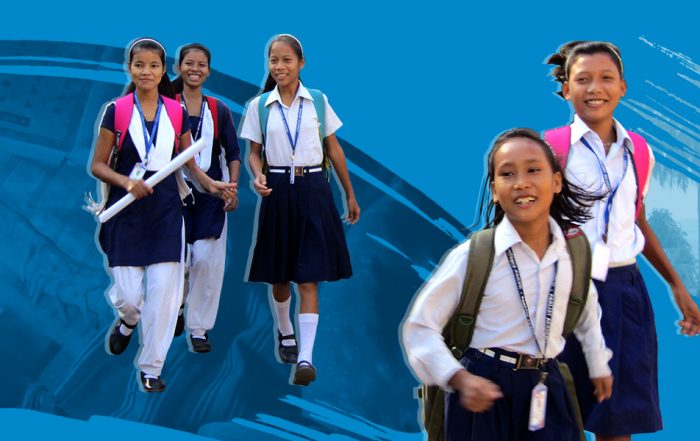
Support-A-Girl follows one girl, year after year, until she can stand on her own. It begins with a careful identification process: our team and volunteers work with families and local schools to find the girls most at risk of dropping out — because of distance, poverty, or pressure to marry early. Each girl admitted to the program receives a complete package of support: tuition, books and learning materials, safe accommodation, healthcare and daily nourishment, so that none of the basics can pull her out of the classroom. Alongside the material support, mentors and volunteers stay close to each girl and her family — tracking her progress, encouraging her through difficult patches, and working with parents to keep her in school. As she nears the end of her education, we help her take the next step — into college, or into our Skills Development program — so that years of support become a livelihood she owns.
Girls kept in school — supported through every grade, from the classroom towards a career.
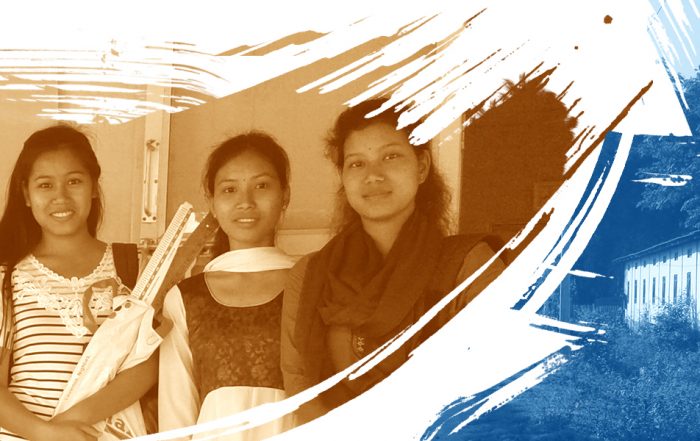
First graduates — the earliest girls in the program have reached college, the equivalent of 15 years of education.
Healthier, safer girls — regular healthcare, nutrition and safe accommodation mean no girl drops out for want of the basics.
Families changed — parents who once saw a daughter’s education as a luxury now keep her in school.
A path onward — graduates move into our Skills Development program and towards independent livelihoods.
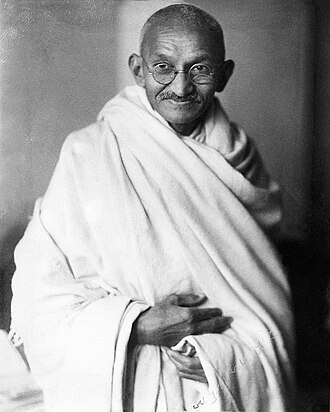
“You must be the change you wish to see in the world.”
Mahatma Gandhi
Leader of the Indian independence movement
Who This Serves
Girls whose education is most at risk — those whose families are stretched, who live far from the nearest secondary school, or who would otherwise be withdrawn because a son’s schooling is treated as the better investment.
We work with families and communities rather than around them, removing each reason a girl might be pulled out — cost, distance, illness and expectation — and staying with her year after year, with mentoring to hold her place open when pressure arrives.
The earliest girls in the program have now reached college — the equivalent of 15 years of education — which is the measure that matters: not just a girl enrolled, but a girl who finishes.
We support underprivileged girls and women, starting in the Garbhanga forest villages of Assam, India. Many are first-generation learners facing poverty and gender inequality; our programs give them education, safe accommodation, healthcare, skills and a path to independence.
Our programs currently operate in India, including the Northeast, where we run education, skills and artisan-livelihood work with girls and women.
Cost depends on the girl’s age and location. For Garbhanga girls it is generally about Rs 2,000 per month under 15 and Rs 4,000 per month under 18, with higher costs for older girls.
She can continue into the Girls Scholarship for higher education, or into Skills Development for vocational training — the support is designed to continue past Grade 12.