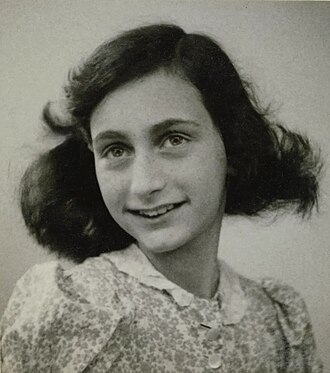
“How wonderful it is that nobody need wait a single moment before starting to improve the world.”
Anne Frank
Diarist
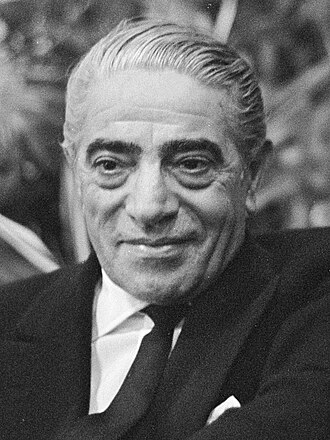
“It is during our darkest moments that we must focus to see the light.”
Aristotle Onassis
Businessman
“I alone cannot change the world, but I can cast a stone across the waters to create many ripples.”
Mother Teresa
Founder, Missionaries of Charity
“He who wishes to secure the good of others has already secured his own.”
Confucius
Philosopher
Trafficking is modern slavery — and girls are its most common victims
Child trafficking is the recruitment, transportation, transfer, harbouring or receipt of children through force, coercion or deception for the purpose of exploiting them — a lucrative criminal industry, second only to drug trafficking, that generates billions of dollars a year. Every country is affected, whether as a place of origin, transit or destination. Girls are disproportionately the victims, because a society that devalues girls creates the desperation and invisibility that traffickers depend on. At Sneha Karma we refuse to accept a world in which a child’s worth is measured by what others can take from her.
Why It Matters
Poverty and desperation — some families give a child away for financial sustenance. The coercion is often subtle, working within families and communities whose economic position leaves them few options.
The devaluation of girls — where a girl is seen as less valuable, her disappearance matters less. Out of school, unskilled and socially isolated, she is the easiest to exploit.
Forms of exploitation — there are two broad types: sex trafficking and labour trafficking. Labour trafficking includes domestic servitude, field labour, factory work, child soldiers and bridal and reproductive slavery.
How We Respond
Child trafficking is a social evil Sneha Karma Foundation works to alleviate. Every child deserves to be educated and to have a bright future, free of exploitation. Through our programs we develop girls’ skills and empower them so they can thrive and contribute positively to society — and, in the process, become far harder to exploit.
Prevention begins with the very things traffickers rely on a girl lacking: an education, a skill, a voice and a community that values her.
Trafficking is not an isolated crime. It grows from the same soil as the other causes — and it is what happens when every protection around a girl has already failed.
Gender Inequality — the root cause: girls who are devalued are the easiest to exploit.
Child trafficking is the recruitment, movement or harbouring of a child by force, fraud or coercion for exploitation. Girls from poor, low-literacy communities are especially vulnerable to being trafficked for labour or sexual exploitation.
Girls in poverty, out of school and without protective family or community networks. That is why our work concentrates on keeping girls in school and strengthening the communities around them.
We reduce the conditions trafficking exploits: we keep girls in school, support their families, run awareness with communities and teachers, and work alongside local partners who can act on specific risks.
Donate to girls’ education and protection work, volunteer (including legal, counselling and outreach skills), or raise funds. All of it strengthens the safety net around the children we serve.