“Change will not come if we wait for some other person or some other time. We are the ones we have been waiting for. We are the change that we seek.”
Barack Obama
Former U.S. President
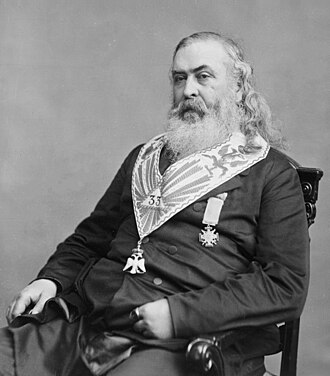
“What we have done for ourselves alone dies with us; what we have done for others and the world remains and is immortal.”
Albert Pike
Author
“When you educate a woman, you educate a nation.”
African proverb
“Happiness is not something you postpone for the future; it is something you design for the present. Give and you will receive.”
Jim Rohn
Entrepreneur and author
Poverty is not gender-neutral — it hurts girls first
Poverty is not gender-neutral — it hurts girls first. Almost 22% of India’s population lives below the official poverty line. In families fighting simply to survive, it is almost always the girl who loses out first: she is pulled out of school, kept home for chores or sent out to work, while her brothers are fed, clothed and educated first. The cause is not money alone. In a society that values sons over daughters, poverty takes an existing bias and makes it cruel and visible. That is why the work of ending poverty and the work of valuing girls can never be separated.
Why It Matters
Parents facing economic difficulty respond by removing their daughters from school. Girls are expected to take over household chores or work in the fields to support the family. In the worst cases, poverty forces girls into child labour, where they are exploited.
In rural India, the potential of women’s economic contribution is grossly undermined. Families fighting poverty are doubly affected — the income a woman could earn is lost, while her domestic role continues to be devalued, keeping the family trapped in poverty and unable to support a daughter’s schooling.
What This Means for Girls
Under-nourishment — girls from poorer families suffer the most from poor nutrition. With limited incomes it is an unspoken rule that brothers receive milk, fruit and eggs while the girl makes do with rice and lentils — or less. Surveys indicate women’s calorie intake is about 100 calories a day less than they expend, while men enjoy an 800-calorie surplus. This makes girls more susceptible to poor health and disease.
Poor sanitation — many village homes have no toilet. Men use the fields and public places, but women must wait for darkness or restrict what they eat all day. And because there is little awareness of sanitary pads, many girls simply stay home during their periods — and eventually drop out of school.
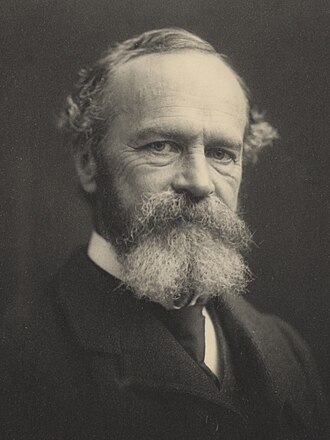
“Act as if what you do makes a difference. It does.”
William James
Philosopher
How We Respond
Poverty does not stand alone. It is deepened by the low value placed on girls and, in turn, deepens every other harm they face.
Gender Inequality — the root cause: girls are valued less, so they are fed and educated last.
Poverty forces impossible choices — food or school fees, a daughter’s safety or the family’s survival. Girls are the first to be pulled out of school and the most vulnerable to early marriage and exploitation.
We break the cycle from both ends: education that keeps a girl in school (Support-A-Girl, Scholarship) and skills and livelihoods that put a woman in control of her own income (Skills Development, Support-A-Artisan).
When a girl stays in school and a woman earns a stable income, the effect compounds for their families and communities — better health, schooling and economic security for the next generation.
Donate (one-time or monthly), sponsor a girl, or fundraise for a programme. Because a founder member covers our overheads, your support goes directly to the programmes.